Rising like a concrete mirage from the sandy plains of Heliopolis, the Baron Empain Palace stands as one of Egypt's most visually striking and anomalous architectural landmarks. Commissioned between 1907 and 1911 by the Belgian industrialist Baron Édouard Empain, the palace serves as the anchor point for the historic Heliopolis suburb, representing a bold experiment in early 20th-century urban planning.
The architect Alexandre Marcel, in collaboration with Georges-Louis Claude, designed the villa to resemble the Hindu temples of South India, specifically drawing stylistic inspiration from the Cambodian temples of Angkor Wat and Hindu temples in Orissa. Its concrete walls are adorned with detailed reliefs of deities, elephants, serpents, and mythical creatures.
"The Baron Empain Palace stands as a rare and early example of cast concrete architecture decorated with elaborate, non-indigenous mythological motifs."
Structural Cast Concrete Innovation
Historically, the palace is notable for its pioneering use of reinforced concrete, a material that was relatively new to building construction at the beginning of the 20th century. By casting the complex ornaments, balconies, and structural columns in concrete, Marcel achieved intricate relief details that would have been costly and time-consuming to carve in traditional stone.
The interior spaces contrast the heavy, exotic exterior with classical European rooms, featuring parquet flooring, marble fireplaces, and frescoed ceilings that hosted elite gatherings of early Cairo society.
Conservation and Archives
The restoration files cataloged under archive reference ERP-HP-0942 record the chemical and physical analysis of the reinforced concrete structures. These blueprints serve as a guide for modern architectural preservation teams tasked with stabilizing the fragile balconies and exterior relief blocks.
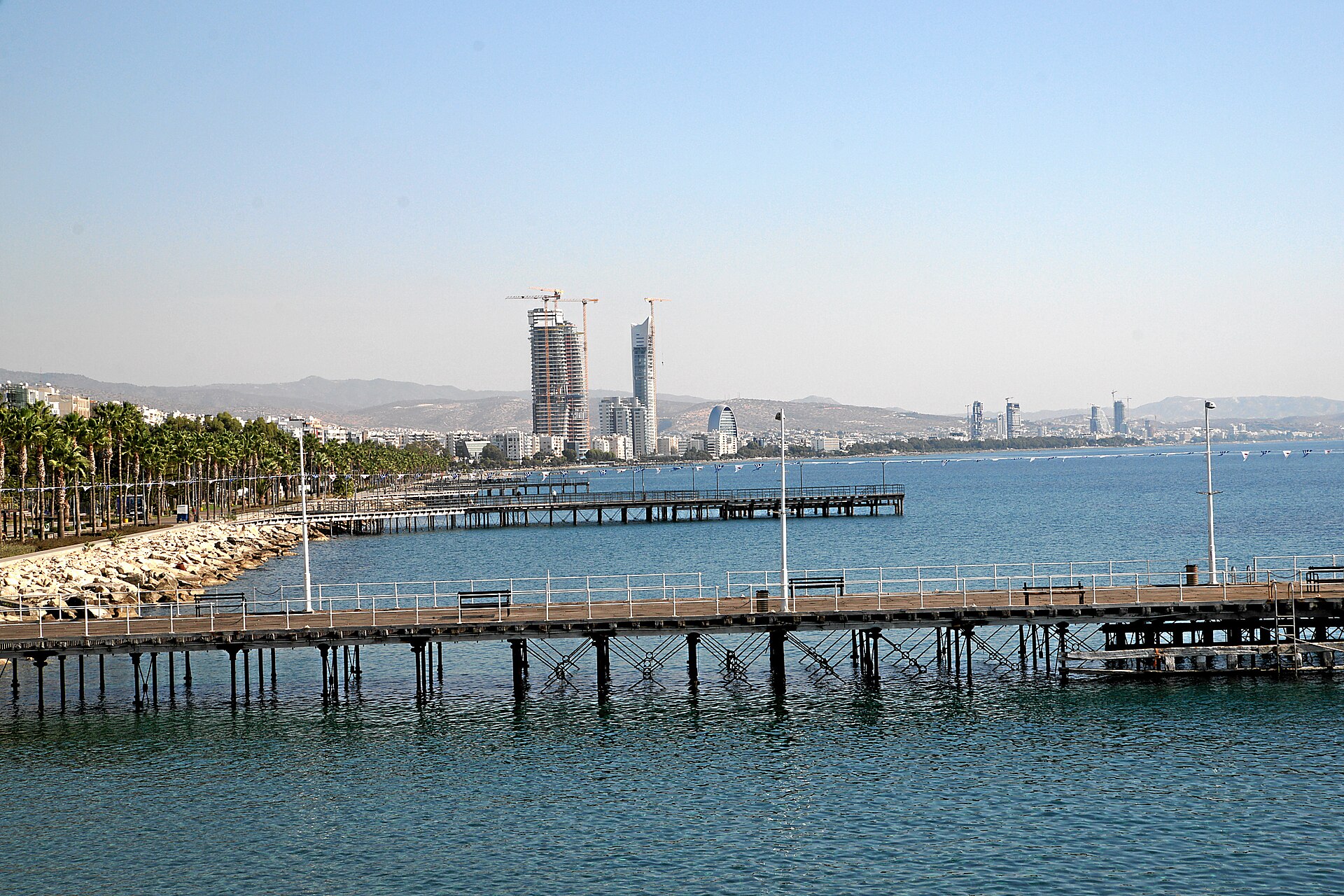
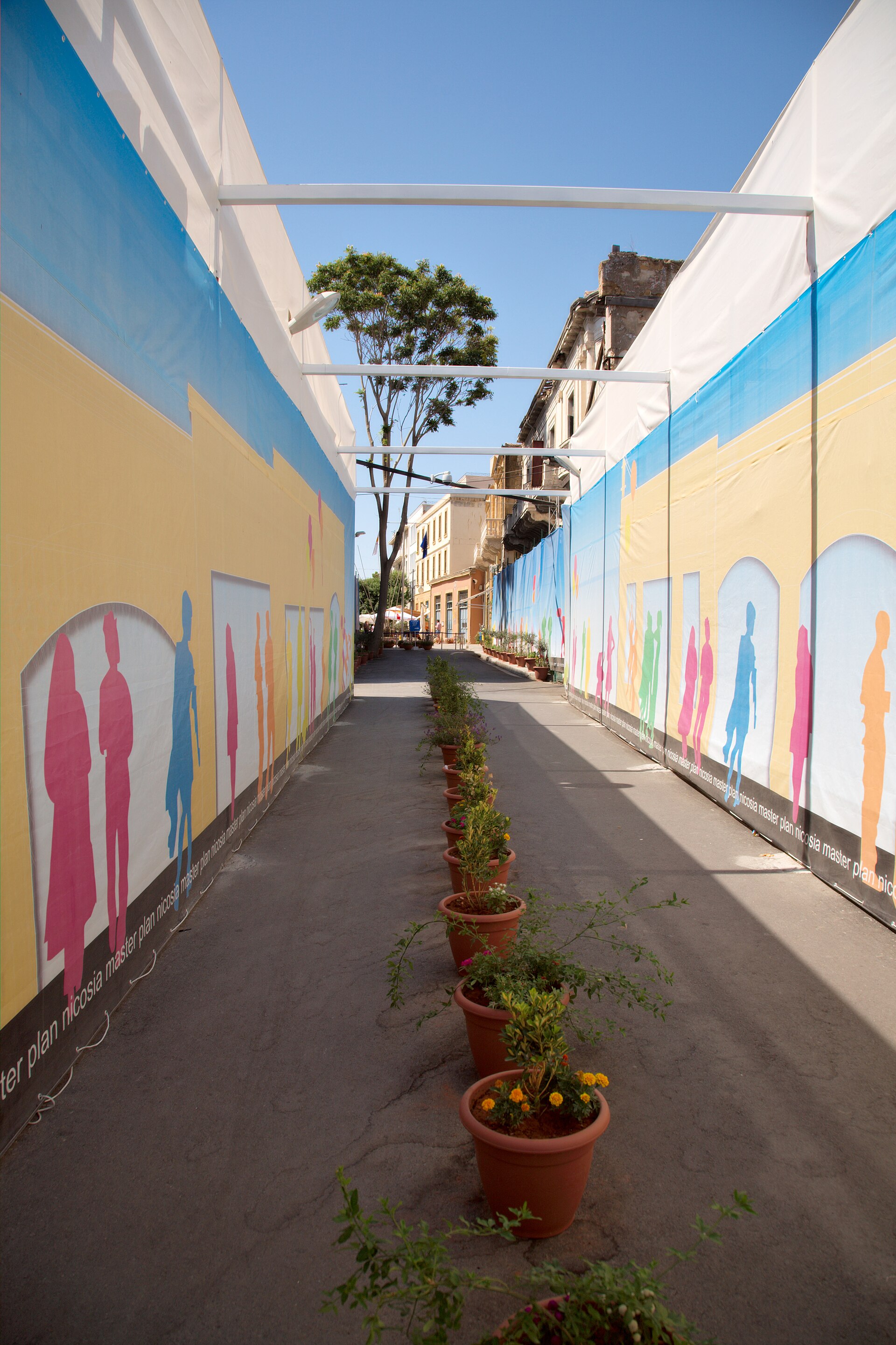 Seaside stone masonry study
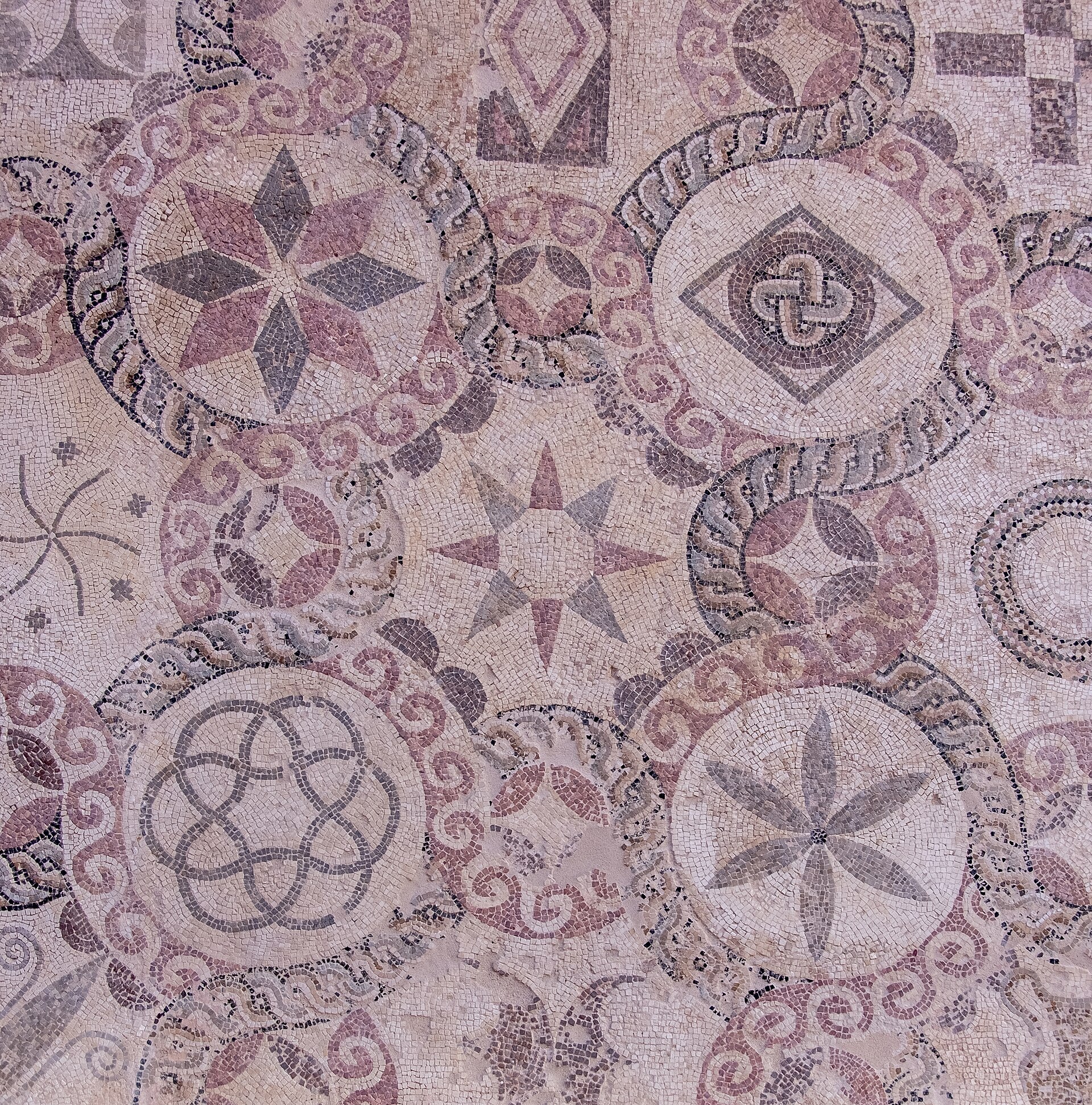 Dynastic marble floor comparison