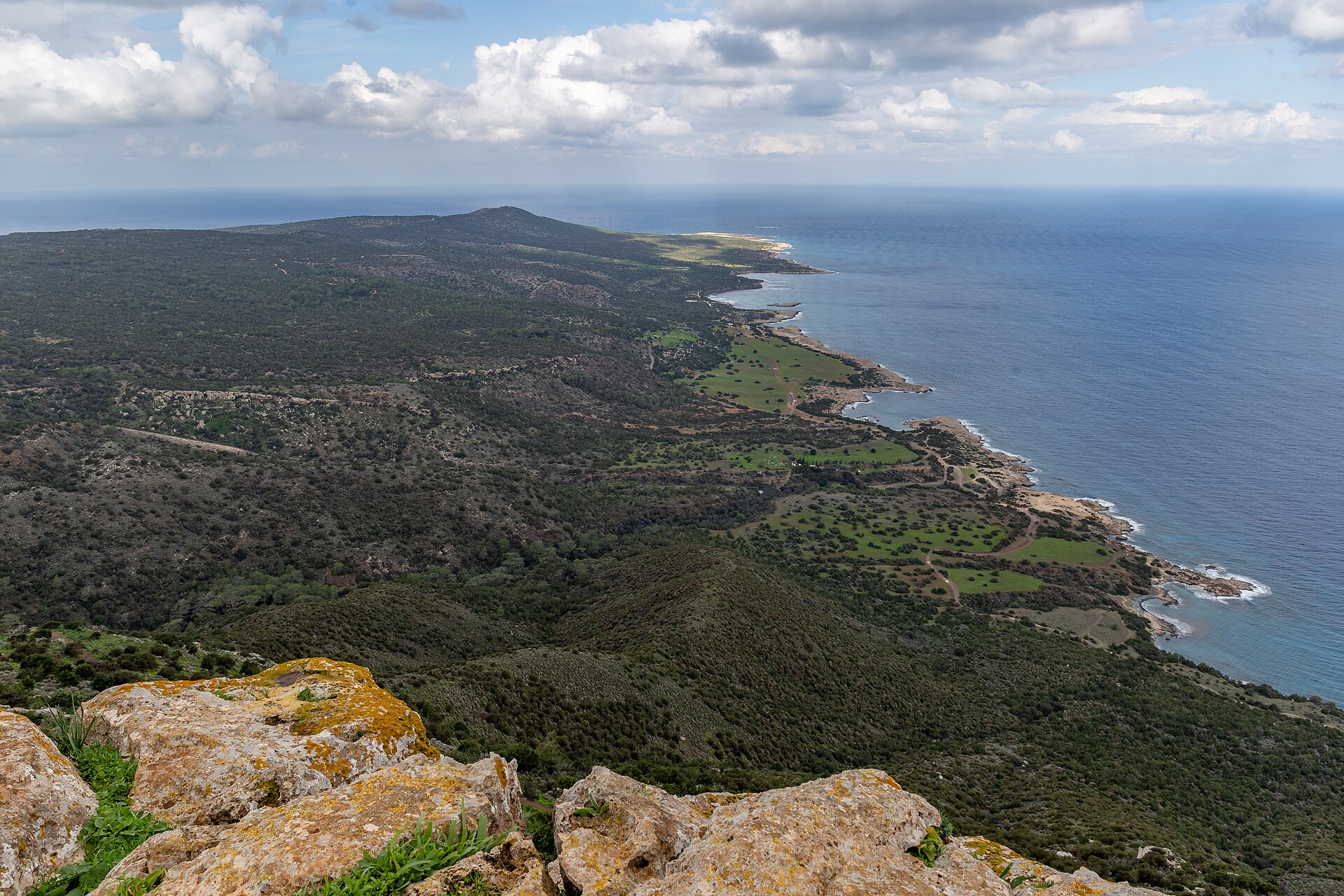
Situated to the south of Cairo along the eastern bank of the Nile, the suburb of Helwan emerged in the late 19th century as a premier thermal spa destination. Recognized for its sulfur-rich mineral springs and dry desert air, Helwan attracted the attention of Khedive Ismail and subsequent royal family members, who built a series of private pavilions, rest houses, and gardens to enjoy the therapeutic microclimate.
The architectural style of the Helwan Royal Pavilions differs from the grand administrative spaces of Abdeen or the coastal towers of Montaza. These structures utilize a lighter, vernacular style characterized by wide wooden verandas, decorative mashrabiya screens, and open courtyards designed to maximize natural ventilation.
"The Helwan enclaves represent a functional, climate-responsive adaptation of royal residences, prioritizing air circulation and proximity to the thermal mineral springs."
Khedival Sanatoriums and Wooden Verandas
The design of the pavilions incorporated wide, wrapping balconies made of teak and local cedar, offering shaded outdoor living spaces. These verandas were elevated on stone bases to keep the living quarters cool and isolated from the desert sands.
Under Khedive Tewfik, the region expanded into a luxury thermal resort town. The royal family built dedicated bath houses featuring marble pools fed directly by the hot mineral springs, combining therapeutic functionality with the aesthetic standards of 19th-century royal estates.
Blueprints and Mineral Spring Records
The archives under reference ERP-HW-0590 catalog the structural alterations made to the Tewfik Palace and the adjacent royal bath enclaves. These documents detail the hydraulic engineering projects that routed sulfur springs directly into private residential pools.
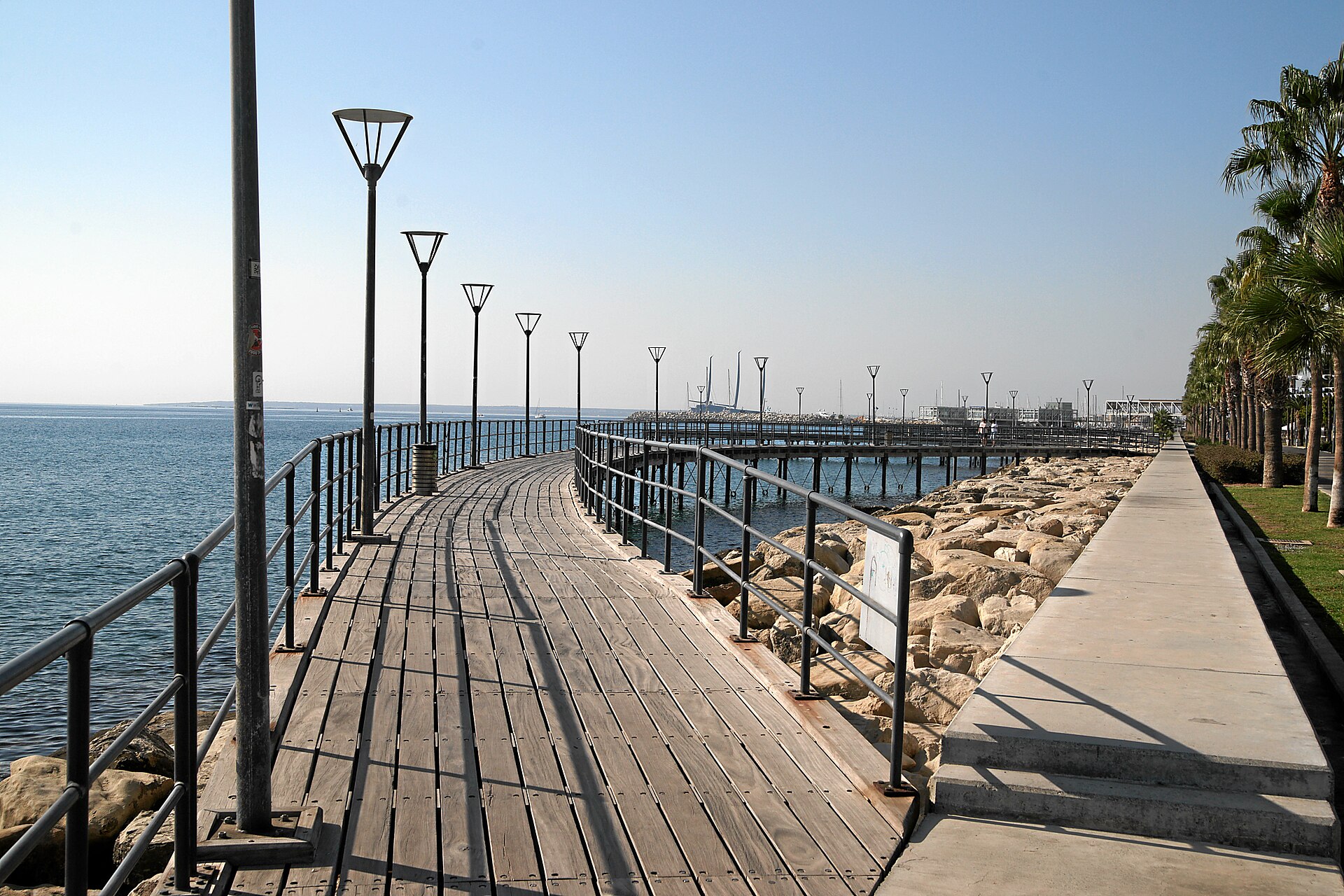 Palace landscape integration
 Seaside stone masonry study